Missed the drop, watched the price climb, and now your size barely shows up anywhere legit - that’s usually when people start asking how to source grail sneakers without getting burned. The hard part is not finding a listing. It’s finding the right pair, in the right condition, from the right seller, at a price that still makes sense once the hype settles.
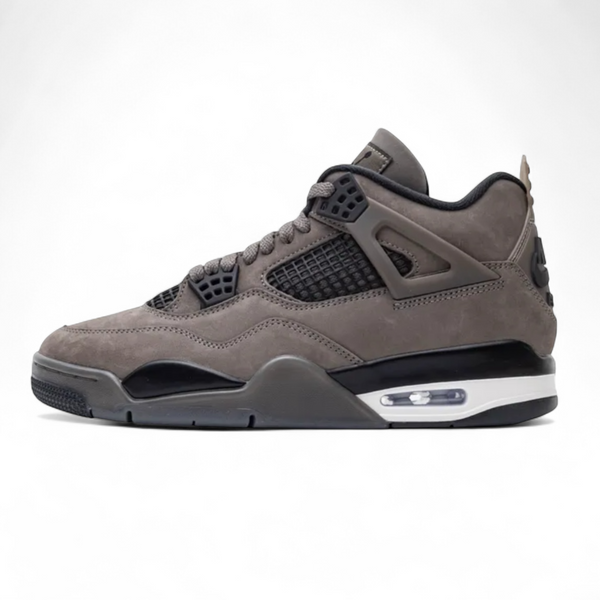
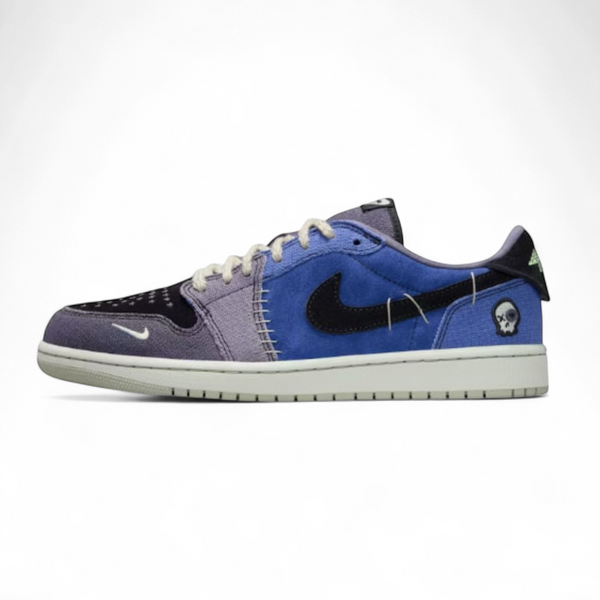
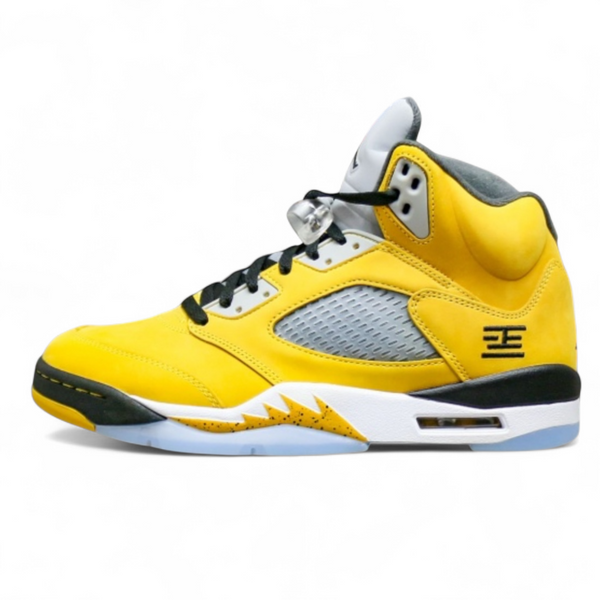
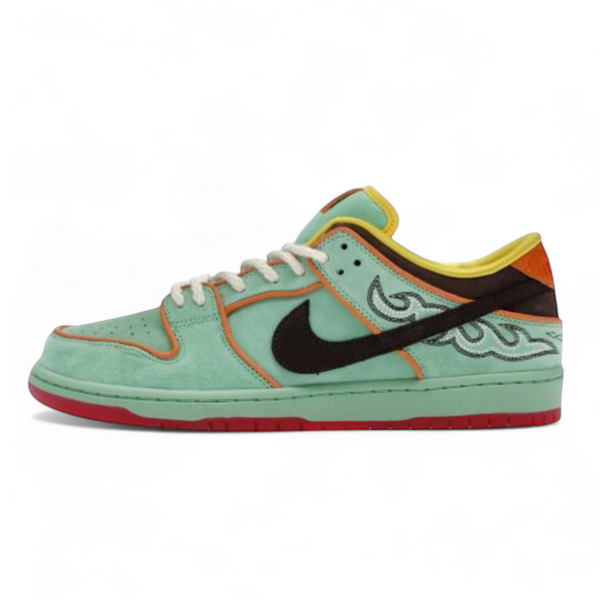
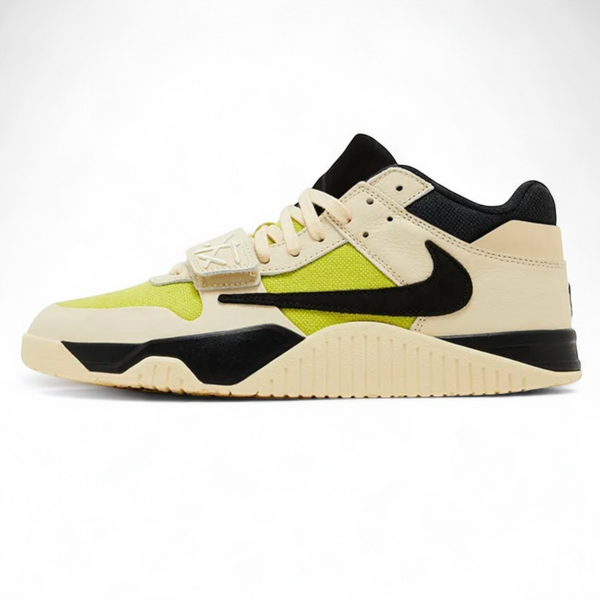
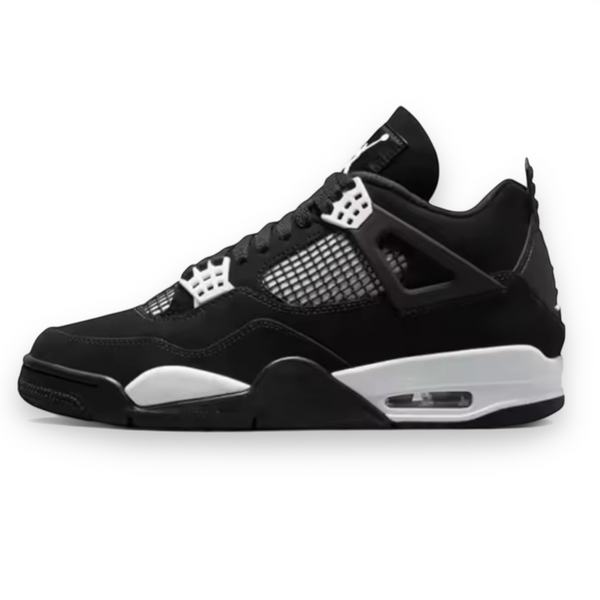
For most buyers, a grail is not just “expensive.” It’s the pair that keeps slipping away - an OG Jordan colorway, a clean SB Dunk collab, a Kobe release with low stock, an Off-White pair that still matters years later, or a Travis Scott shoe that never really cooled off. Once you move beyond general release pairs, sourcing becomes part market knowledge, part timing, and part risk control.
How to source grail sneakers the smart way
The first mistake people make is shopping too wide and too late. If you search every marketplace only when you’re finally ready to buy, you’re already behind. Grail sourcing starts before checkout. You need to know the pair’s typical sale range, how often your size appears, what condition tiers are actually worth paying for, and which versions are commonly faked.
That means building a baseline. Look at recent asking prices, but don’t confuse asking prices with real market value. A seller can post a pair at any number. What matters is what buyers are actually willing to pay for that exact model, size, and condition. A deadstock pair in size 9.5 can move very differently from a worn size 12, especially with older releases where size scarcity gets weird fast.
It also helps to decide what kind of buyer you are before you start. If you only want deadstock with original box and every extra lace bag intact, your sourcing path is narrower and more expensive. If you’re open to lightly worn pairs from trusted sources, the market opens up. A lot of collectors say they want “the best pair available,” but what they really want is the cleanest pair they can justify.
Start with the pair, not the platform
People often ask which marketplace is best, but that’s the wrong first question. Start with the sneaker itself. Some grails are easy to authenticate but hard to find in clean condition. Others are everywhere, but the fake rate is brutal. A Jordan 1 Chicago, a Nike SB Dunk from a major collab, or a Yeezy from peak demand years all come with different sourcing problems.
Once you know the risk profile of the pair, you can pick the right buying channel. For newer hype pairs, marketplace inventory tends to be deeper, and pricing is more transparent. For older grails, especially pairs from the early 2000s or limited regional drops, private sellers and specialty retailers can sometimes offer better opportunities. The trade-off is trust. Better access often means less protection.
That’s why authenticated inventory matters so much in this space. If you’re spending serious money, guaranteed authenticity is not a luxury feature. It’s the baseline. A pair with clean photos and a believable story is still just a listing until it’s verified.
Price matters, but condition decides value
A lot of buyers chase the cheapest listing and then act surprised when the pair arrives with heel drag, cracking midsoles, replacement insoles, or a box swap. When you’re sourcing grails, value is more than the number on the page.
Condition changes everything. Deadstock is the cleanest lane, but with older sneakers it can also bring storage risks. A 10-year-old unworn pair might look perfect and still be closer to separation than a carefully worn pair. On some models, especially older retros and performance basketball shoes, wearable condition matters more than deadstock status.
Photos should show toe boxes, heel tabs, midsoles, outsole wear, size tags, insoles, and box labels. If those details are missing, there’s usually a reason. Serious sellers know what buyers need to see. Vague lighting, cropped angles, and “message for more pics” are not automatic dealbreakers, but they do slow the process and add uncertainty.
The same goes for replacement boxes and missing accessories. Sometimes that’s a fair trade if the price reflects it. Sometimes it’s a sign the pair has changed hands too many times without a clean history. For collabs, extras matter more. Off-White zip ties, alternate laces, special packaging, and unique inserts can affect both resale and long-term collectibility.
Know where fakes hit hardest
Not every grail gets faked at the same level. The most obvious targets are pairs with broad demand, strong resale, and recognizable details. Travis Scott Jordans, Off-White Nike pairs, top-tier Jordan 1 colorways, and SB Dunks are constant counterfeit targets because buyers know the names and sellers know the margins.
That means you should study the flaws on your exact pair before you buy. Not fake checks in a general sense - the exact pair. Tag font, stitching pattern, shape, material texture, box label alignment, and color tone all vary from model to model. If you’re spending four figures, “I’ll know when I see it” is not a strategy.
This is where experienced sourcing has a real edge. Buyers who stay inside authenticated channels or work with sellers who have a strong track record cut out a lot of unnecessary risk. That matters even more when market prices soften, because fake sellers get more aggressive when real sellers start negotiating.
Timing can save you money, but not always
One of the biggest myths around grails is that waiting always pays off. Sometimes it does. If a pair is fresh off a release and pure hype is driving the first wave, prices can cool once pairs land and quick flippers exit. But truly scarce sneakers do not always follow that script.
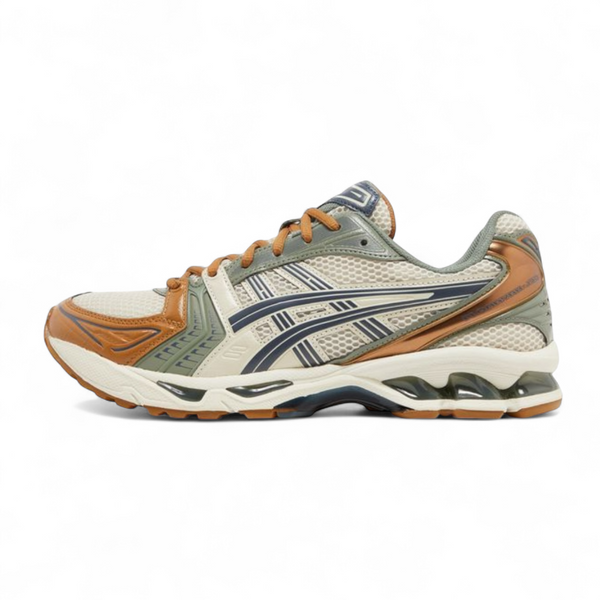
Some models bottom out briefly and then climb for years. Others stay flat until a celebrity co-sign, anniversary cycle, or trend shift pushes them back into focus. New Balance collabs, Kobe releases, women’s exclusives, and archive-driven ASICS pairs have all had moments where the market moved faster than people expected.
If you’re asking how to source grail sneakers at the right time, the answer is usually this: buy when the pair you want appears in the condition you want at a number you can live with. Waiting for the perfect steal is how a lot of buyers end up paying more later. Timing matters, but access matters more.
Build a sourcing filter before you buy
A good grail buyer has standards. Not vague standards - real filters. Decide in advance how flexible you are on size, condition, box, accessories, and price ceiling. If you don’t, emotion will make the decision for you the second the listing looks good.
For example, if your true size never surfaces, are you willing to half-size up with insoles? If a lightly worn pair saves you 30 percent, does that matter more than deadstock status? If the market is thin, would you rather wait two months or pay slightly over your budget now? These are small questions until the pair shows up. Then they become the whole deal.
It also helps to separate personal pairs from investment-minded buys. If the sneaker is for your own rotation, wearability and comfort should matter. If you’re buying for long-term hold or trade value, box condition, extras, and market liquidity matter more. One pair can be both, but usually one goal leads.
Use trusted sellers, not just familiar ones
A seller being popular on social doesn’t mean they’re strong on authentication, communication, or post-sale support. Hype visibility and sourcing reliability are not the same thing. The best sellers in this space usually earn trust through consistency - accurate listings, strong product knowledge, clear condition grading, and dependable authentication.
That’s why curated retailers and marketplace-focused businesses still matter in a crowded resale world. When a platform is built around authenticated, hard-to-source product, it cuts down the random guesswork that makes grail hunting exhausting. For buyers who want speed and confidence, that matters more than chasing every lowball opportunity across ten different apps.
If you’re shopping globally, this gets even more important. Buyers in cities like New York, London, Tokyo, and Seoul often have more local access to rare pairs, but international sourcing can still create issues around returns, duties, and seller responsiveness. A cleaner buying process is often worth paying for.
The best grail source is the one you can trust twice
A single successful purchase is nice. A source you’d use again is better. That’s the real test. If the pair arrives authenticated, matches the listing, and feels worth what you paid, you’ve found more than inventory - you’ve found a sourcing standard.
That’s the lane serious buyers should stay in. Whether you’re after Jordan retros, SB Dunks, Kobe grails, Off-White heat, or a pair you’ve been chasing for years, the smartest move is not just finding the shoe. It’s buying it from a place that respects the value of what you’re buying.
The pair will always matter, but the process matters too. Grails hit different when you don’t have to second-guess them.