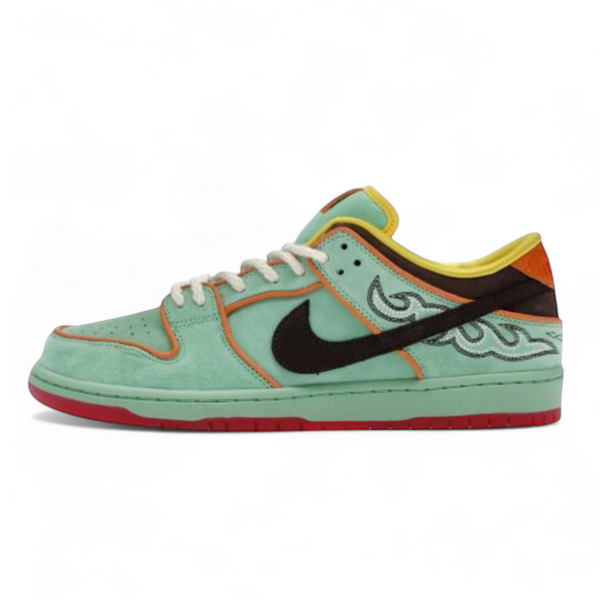
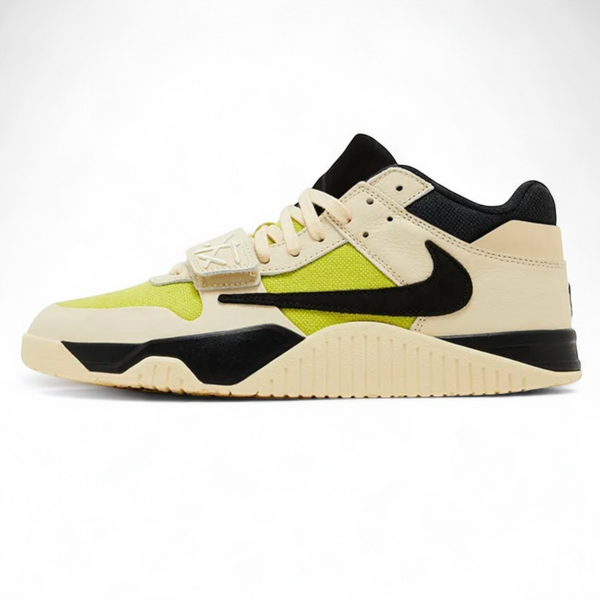
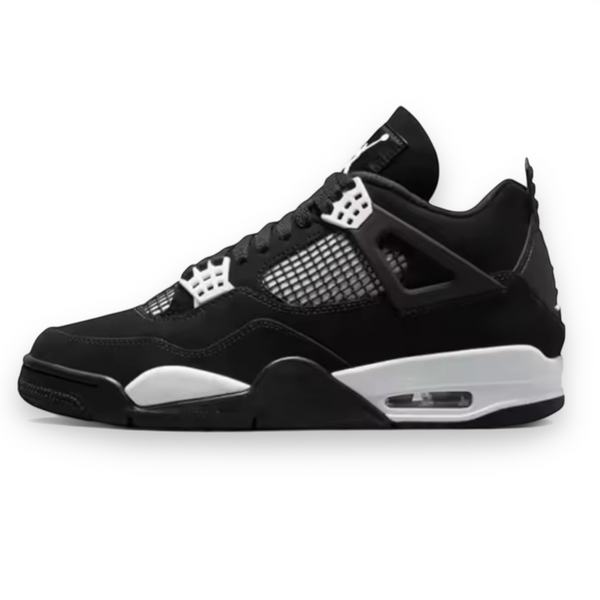
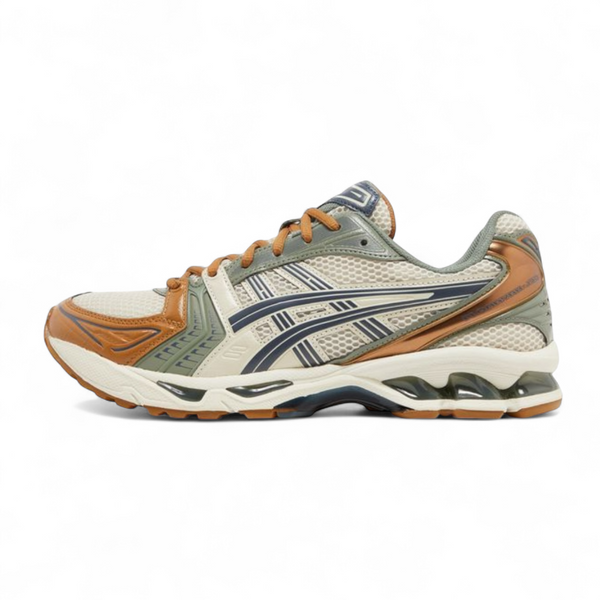
The Kobe line does not move like a normal signature series. In the kobe sneakers resale market, price jumps are tied to more than hype alone. Performance credibility, Kobe’s legacy, limited supply, Protro demand, and colorway history all hit at once, which is why one pair can sit while another disappears fast at a premium.
That makes Kobe resell different from chasing a random quick-flip release. Buyers are not only looking for something rare. They want hoop-ready tech, a silhouette with cultural weight, and a pair that still feels relevant years after launch. When those three things line up, the market gets aggressive.
Why the kobe sneakers resale market stays hot
A lot of signature lines peak around nostalgia. Kobe is one of the few that stays active because the shoes still matter on court and off. That dual demand keeps the floor higher than many other retros. A pair can be collectible, wearable, and performance-tested all at once.
Scarcity is the obvious part, but it is not the whole story. The Kobe line has had uneven availability across different eras, especially around older Nike Basketball releases and later Protro drops. Some models were hard to get at retail from day one. Others became expensive because people actually wore them into the ground, leaving fewer clean pairs in circulation.
Then there is the emotional side of the market. Kobe pairs are not just another archive pickup. For a lot of buyers, they represent a specific era of basketball, a mindset, or a moment in sneaker culture. That kind of attachment can support resale prices even when the broader market cools.
Which Kobe models lead the resale conversation
Not every Kobe model performs the same way. The market usually centers on a few silhouettes with proven demand, and from there it gets more selective by colorway, release year, and condition.
Kobe 4 Protro and Kobe 5 Protro
These are usually near the top of the conversation because they hit the sweet spot. They have modern wearability, strong on-court reputation, and broad lifestyle appeal. The Kobe 4 changed how low-top basketball shoes were viewed, and the Kobe 5 kept that momentum going with one of the cleanest performance shapes Nike Basketball has made.
In resale, these pairs benefit from actual use demand. That matters. A shoe that people want to wear for runs, style, and collecting has more support than a pair that only lives in display cases.
Kobe 6 Protro
The Kobe 6 has become one of the biggest drivers in the category. It has a sharp shape, standout texture, and multiple colorways that crossed from performance release into full cultural staple. Some pairs move because they are rare. Others move because they are instantly recognizable, and recognition sells.
The Kobe 6 is also a good example of how storytelling affects price. A strong nickname, player connection, or memorable release theme can push a pair above technically similar options.
Older Kobe retros and original releases
Older pairs can get expensive fast, but this is where the market gets trickier. Age matters more here. Deadstock originals from earlier Kobe eras can command strong prices, but wearable condition is a real concern. Collectors may pay up for historical value, while performance buyers often avoid older pairs unless they are buying for display.
That creates a split market. One buyer wants a pristine archive piece. Another wants something they can lace up immediately. Same model, different demand curve.
What actually drives Kobe resale prices
The easy answer is rarity, but that misses how this market really works. Kobe pricing is usually shaped by five things at once.
First is release volume. Limited drops, regionally tight allocations, and high-heat collabs all create obvious pressure. Second is wearability. Some pairs are expensive because they are hard to find. Others are expensive because people keep wearing them instead of preserving them.
Third is colorway strength. Clean Lakers-coded pairs, blackout styles, bright performance looks, and famous nickname releases tend to carry more demand than weaker general-release palettes. The fourth factor is sizing. Popular sizes often move quickest and can hold stronger asks, especially in deadstock condition.
The fifth factor is market timing. Kobe prices do not always move in a straight line. They can spike after a restock sells out, dip when a new Protro wave pulls attention elsewhere, then climb again once supply dries up. If you watch enough transactions, you stop thinking in static price tags and start thinking in windows.
The role of authenticity in the Kobe category
If you are buying Kobe on resale, authenticity is not a side issue. It is the issue. High-demand Nike Basketball pairs have always attracted fakes, and Kobe models are no exception. In some cases, the better the pair performs on the secondary market, the more counterfeit pressure shows up around it.
That matters even more with Kobe because buyers often care about both collectibility and function. A fake pair is not just a bad purchase from a value standpoint. It can also be a serious problem if someone plans to wear it on court.
Details like shape, scale pattern, traction finish, box label accuracy, insole print, and overall build quality all matter, but the average buyer should be realistic. Many fakes are good enough in photos to fool people who are only chasing a low price. That is why serious buyers usually pay attention to seller reputation, product vetting, and whether the source is actually built around authenticated inventory.
Is the kobe sneakers resale market still a good buy?
It depends on what kind of buyer you are. If you are looking for quick, easy flips, Kobe can be less predictable than people assume. The name is huge, but not every release breaks upward forever. Some pairs peak early, settle, and then trade in a tighter band for months.
If you are buying to wear, the math can make more sense. Kobe pairs hold a level of utility that a lot of hype shoes do not. Paying resale for a shoe you will actually use is different from paying resale for a pair that only sits in a box. For hoopers, that performance value can justify the premium.
For collectors, the strongest buys are usually the pairs with lasting story, clean condition, and proven demand across more than one type of buyer. A shoe that appeals to players, collectors, and lifestyle wearers is often safer than one driven by a short release-week rush.
How smart buyers read the market
The best Kobe buyers usually avoid two mistakes. They do not chase every spike, and they do not assume every dip is a bargain. A lower price can mean opportunity, but it can also reflect weaker long-term demand for a specific colorway or size run.
Condition is where a lot of value gets won or lost. With Kobe pairs, the gap between deadstock, lightly worn, and heavily used can be major. Box matters too, especially for collectors. Missing accessories or replacement packaging may not kill a sale, but they can cap upside.
Patience helps, but so does knowing when not to wait. Some Kobe releases get cheaper after launch. Others never really come back down once pairs land in the hands of people who do not want to sell. If a model has broad appeal and limited supply, hesitation can cost more than moving early.
For buyers trying to stay sharp, the goal is not just finding the lowest ask. It is finding the right pair at a fair market level from a source you trust. That is a different mindset, and usually a better one.
Where the Kobe market could go next
The Kobe category is now mature enough that broad demand is not really in question. The more interesting question is which parts of the line keep separating from the pack. Right now, Protro models and iconic colorways have the clearest momentum because they connect old-school collectors with a newer generation that actually wants to wear the shoes.
At the same time, the market will keep filtering. Not every release becomes a grail. Some pairs will stay liquid but flat. Others will get a second life once people realize supply is thinner than it looked at launch.
That is why the Kobe space rewards product knowledge more than generic hype-chasing. If you understand the model history, know which colorways really matter, and buy authenticated pairs in strong condition, you are playing a much smarter game than someone just reacting to noise. GOAT AVENUE’s audience already understands that the best pickup is not always the loudest one - it is the pair with real demand, real credibility, and real staying power.
If you are entering the Kobe category now, think less about finding a miracle deal and more about buying the right pair for your lane. The market respects that approach, and over time, it usually pays for itself.