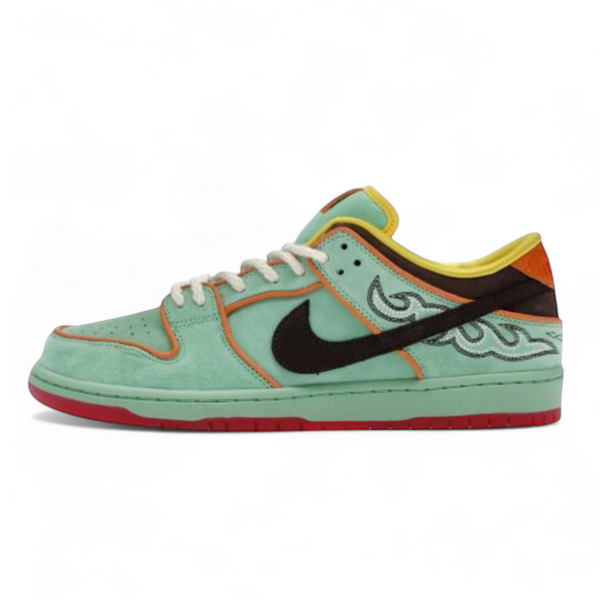
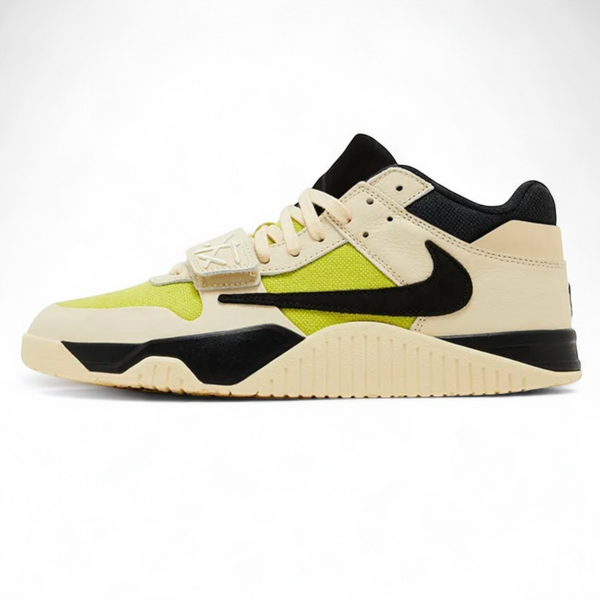
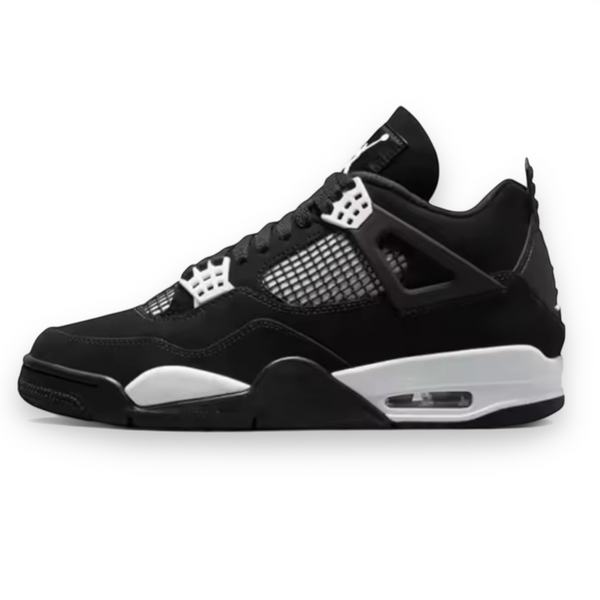
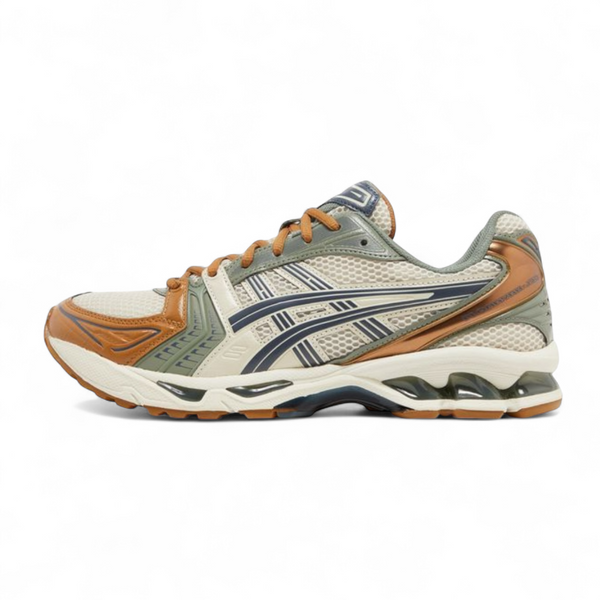
That pair looks clean in photos. The price is just low enough to feel like a steal. The seller says they are 100% legit. That is exactly when you need to slow down. If you are serious about buying heat, knowing how to spot fake Jordans can save you money, time, and a lot of regret.
Counterfeit pairs are not just bad replicas anymore. Some fakes copy the box, SKU, hangtags, and even the smell well enough to fool casual buyers. The gap between legit and fake gets smaller on hype releases, Travis Scott collabs, OG retros, and anything with strong resale demand. So the move is not to rely on one detail. You need to read the whole pair like a buyer who has seen the real thing before.
How to spot fake Jordans before you buy
The first rule is simple: never authenticate from one photo or one feature. A fake box can come with real-looking labels. A decent toe box can sit on a terrible sole. Good counterfeit pairs usually get some things right and other things wrong. Your job is to stack the details until the story makes sense - or falls apart.
Start with the listing itself. If the photos are dark, blurry, heavily filtered, or cropped too tight, that is already a problem. Sellers who have real pairs and nothing to hide usually show the box label, outsole, insole, heel, tongue tag, stitching, and size label inside the shoe. If all you get is a side profile and one top-down shot, ask for more.
Price matters too, but not in a simple way. A low price does not always mean fake, and a high price does not prove legit. Some counterfeit sellers know buyers trust expensive listings more, so they price fake pairs close to market. What matters is whether the price, condition, release, and seller history all line up.
Check the box, label, and SKU
Jordan fakes often trip up before the shoes even come out of the box. Start with overall print quality. Legit boxes usually have sharp fonts, clean color, and labels that look properly aligned, not tilted or cheaply printed. If the sticker looks off-center, fuzzy, or too glossy, pay attention.
The SKU on the box should match the style code inside the shoe. For most Jordans, that code is one of the easiest first-pass checks. If the box says one style code and the size tag inside the sneaker shows another, walk away. That said, a matching SKU alone means very little. Counterfeiters copy style codes all the time.
Also look at the box size for the pair. Some fake boxes are slightly too small or too large, which can make the shoes sit oddly inside. Tissue paper, inserts, and accessories should also make sense for the release. A retro with random extra laces or the wrong paper is not an automatic fake, but it is one more thing to question.
The size tag matters more than people think
Inside the shoe, the size tag should be clean, readable, and consistent with the release. The spacing, font weight, production dates, and barcode area often reveal problems. Fake pairs may use tags that look crowded, too bold, or poorly cut. Sometimes the country of manufacture is wrong for that specific release.
This is where release-specific knowledge matters. A Jordan 1 High from one factory run can look slightly different from another legitimate run. So you are not looking for tiny variations in isolation. You are looking for obvious sloppiness, weird formatting, or details that do not belong on that model at all.
Shape is one of the biggest tells
A lot of buyers focus on logos first. Real authentication usually starts with shape. Jordan silhouettes have proportions that are hard to fake consistently, especially on popular retros.
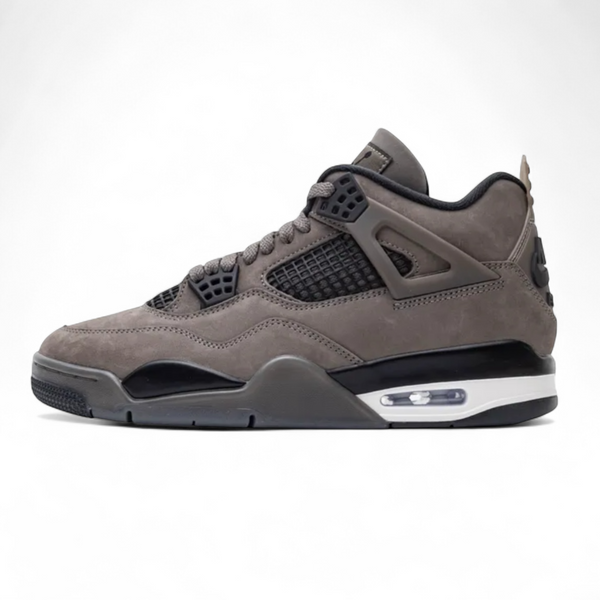
On Jordan 1s, the collar height, toe box slope, heel curve, and Swoosh placement all matter. Many fake pairs have a bulky toe, a strange ankle shape, or a Swoosh that sits too low or too thick. On Jordan 4s, look at the cage shape, tongue height, heel tab angle, and overall profile. Fakes often look stiff, swollen, or just slightly off from the side.
This is why side-by-side comparison helps. Pull up confirmed images of the exact release and compare them to the pair in front of you. Not a different colorway. Not a similar retro from another year. The exact pair. Jordan branding changes over time, and small design differences can be normal across releases.
Materials tell the truth fast
If the shape passes, move to material quality. Jordan Brand uses different leathers, nubuck, suede, mesh, satin, and synthetic panels depending on the release. Fake pairs often miss the texture, thickness, or finish.
Leather should not feel like plastic unless the real pair is known for stiff leather. Suede should have movement and depth if the authentic release does. Nubuck should not feel flat and dead. On a lot of counterfeit Jordans, the material looks too smooth, too shiny, or too uniform because it was chosen to imitate the color, not the actual quality.
Glue marks are another area where people get confused. Small glue traces can appear on authentic pairs. Nike and Jordan factory quality control is not perfect. What you are looking for is excessive mess, uneven cuts, sloppy edge paint, or panels that do not line up well. One minor flaw can happen on legit pairs. Several quality issues together are a red flag.
Stitching, logos, and branding details
The Wings logo, Jumpman, Nike Air branding, heel embroidery, and tongue tags matter, but only when you know what they should look like on that exact shoe. Fake Jordans often get the general look right while missing the precision.
On Jordan 1s, the Wings logo may be too deep, too large, too glossy, or stamped too close to the collar edge. On Jordan 3s and 4s, the Jumpman can look oddly proportioned, with thick fingers, short legs, or rough embroidery. On older-style Nike Air heel tabs, spacing and placement need to be sharp and centered.
Stitching should be consistent, not perfect. Legit pairs can have slight inconsistencies. The issue is when the stitching line wanders, bunches up at curves, or sits too close to the panel edge. Fake pairs often show uneven stitch density because the shape underneath is already wrong.
Smell is real, but do not rely on it
A strong chemical smell gets mentioned a lot in legit checks. It can help, but it is not enough. Some fake pairs do smell harsh from fresh glue and cheap materials. Others do not. And some authentic pairs have a factory smell straight out of the box too. Treat smell as a supporting clue, not a decision-maker.
Look at the outsole and insole
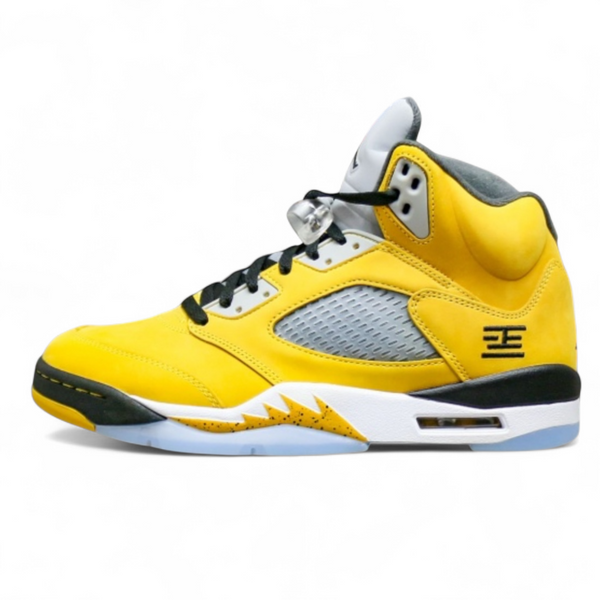
Outsoles can expose fake pairs fast. Check color tone, translucency, texture, and mold sharpness. On icy soles, fakes may be too blue or too cloudy. On solid rubber soles, the traction pattern can look softer or less defined.
Insoles matter because counterfeiters often spend less time there. The print may rub off too easily, the font may be wrong, or the insole shape may be cut poorly. Flip the insole over if possible. Construction underneath can reveal shortcuts that do not match authentic pairs.
The seller can be the biggest red flag
Even a decent fake becomes easier to spot when the seller behavior is off. If they dodge questions, rush the sale, refuse to show tagged photos, or claim they lost the receipt but somehow have multiple sizes, pay attention. A real seller with a real pair usually knows what they have.
Ask direct questions. Where did they buy it? Do they have the original box and extras? Can they send natural-light photos of the size tag, heel, outsole, and toe box? You are not just collecting facts. You are testing whether the answers sound consistent.
If the story changes, if they get defensive, or if every response feels vague, trust that. Buying hype pairs is already competitive. There is no reason to force a deal that feels wrong.
How to spot fake Jordans on hype releases
The more in-demand the shoe, the more careful you need to be. Travis Scott Jordans, Off-White collaborations, limited Jordan 1 colorways, and OG-heavy retros get copied hard because the resale upside is high. On these pairs, counterfeiters usually focus on the headline details buyers know to check. That means the obvious tells may be cleaner than you expect.
For hype releases, zoom in on what they ignored. Compare the box label font. Check the thickness of suede cuts. Look at heel shape and toe shape from low angles. Study the texture around branding, not just the branding itself. The best fake pairs survive quick checks. They fail under layered ones.
If you are buying from a marketplace or retailer, authentication standards matter. Guaranteed authenticity is not just a nice extra on limited pairs. It is part of the purchase. That is why buyers who want grails without the guesswork usually stick with trusted sources like GOAT AVENUE instead of random listings and too-good-to-be-true deals.
When it depends
Not every weird detail means fake. Jordan quality control can vary by factory, release year, and region. One pair might have a slightly different tumbled leather texture than another authentic pair. One box label may print a bit darker. That is normal.
What is not normal is when multiple core details feel off at once - wrong shape, weak materials, messy stitching, strange tags, odd box printing, and a seller who cannot answer basic questions. That combination usually tells you everything you need to know.
The smartest buyers do not chase certainty from one tiny clue. They build confidence from the full picture. If a pair keeps raising questions, let it go. There will always be another drop, another restock, another shot at the right pair.