The fastest way to waste money in sneakers is buying the right pair from the wrong seller. If you are trying to figure out where to buy authentic sneakers, the real question is not just who has the pair - it is who can prove it, price it fairly, and actually deliver what was listed.
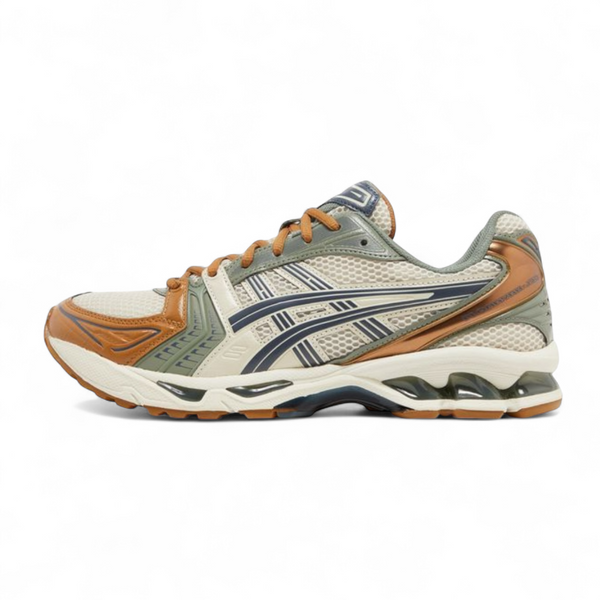
That matters even more now because the market is split. You have retail drops that vanish in minutes, resale listings with huge price swings, and social sellers posting heat with almost no buyer protection. Some pairs are easy to source. Others, especially collabs, limited Jordans, SB Dunks, Kobe releases, and hype-driven New Balance or ASICS pairs, need a more careful approach.
Where to buy authentic sneakers without guessing
There is no single best place for every sneaker. It depends on whether you are chasing a current release, a sold-out grail, or a clean general-release pair at a decent price. The safest buyers understand the lanes and shop accordingly.
For brand-new retail releases, official brand channels and authorized retailers are still the cleanest option. If Nike, Jordan, Adidas, New Balance, or ASICS still has stock through their own sites or launch systems, that is usually your first move. The catch is obvious - the best pairs rarely sit. When they sell out, you move into the secondary market.
For sold-out pairs, established resale marketplaces and curated sneaker retailers are usually the next stop. This is where authentication policies, seller standards, return rules, and listing accuracy start to matter more than headline price. A cheap pair with weak verification is not a deal. It is just delayed regret.
Then there are social platforms and peer-to-peer deals. Yes, you can sometimes score steals there. You can also get sent replicas, swapped boxes, used pairs listed as new, or pairs with issues that were never disclosed. If you are not highly experienced with legit checks and seller vetting, this is usually the riskiest lane.
The best places to buy authentic sneakers
Official brand stores and authorized retailers
If the pair is still in release circulation, buy from the source. Brand websites, flagship stores, and authorized stockists give you the strongest baseline for authenticity because the supply chain is direct. For general releases and some wider launches, this is still the simplest answer.
The downside is access. Limited releases, collabs, women’s exclusives, and hype colorways often disappear instantly. You may spend more time entering raffles than actually buying. Retail is ideal when it works, but retail is not built to make hard-to-get pairs easy.
Trusted resale marketplaces
When retail sells out, resale becomes the market. This is where buyers need to stop thinking only about price and start looking at process. A strong resale platform should have clear authentication, transparent product condition, real photos or reliable listing standards, and a dispute process that does not leave the buyer stuck.
Not every platform handles these details equally. Some are stronger on volume but weaker on consistency. Some are fast but not always buyer-friendly when issues come up. A marketplace can be legit overall and still vary from seller to seller, which is why authentication alone should not be your only filter.
Curated sneaker and streetwear retailers
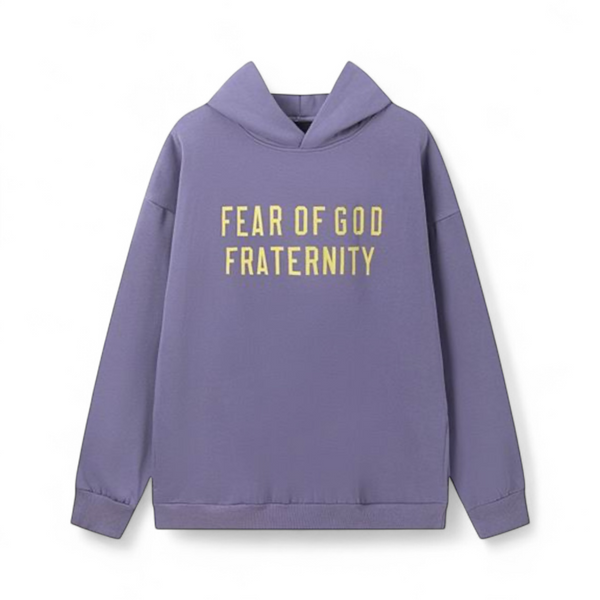
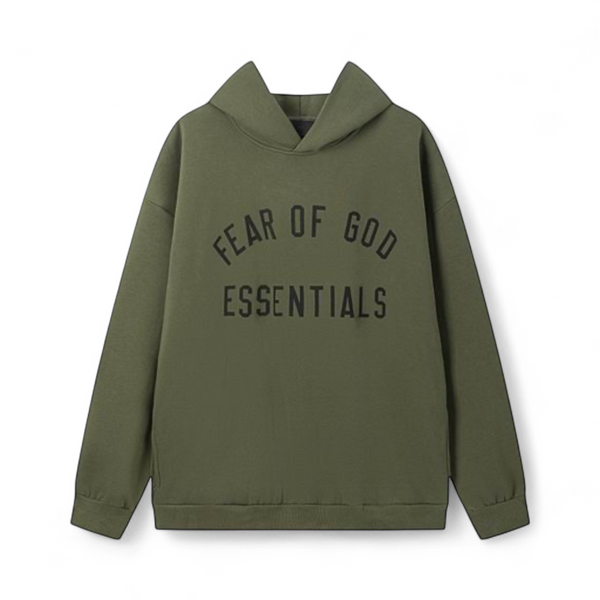
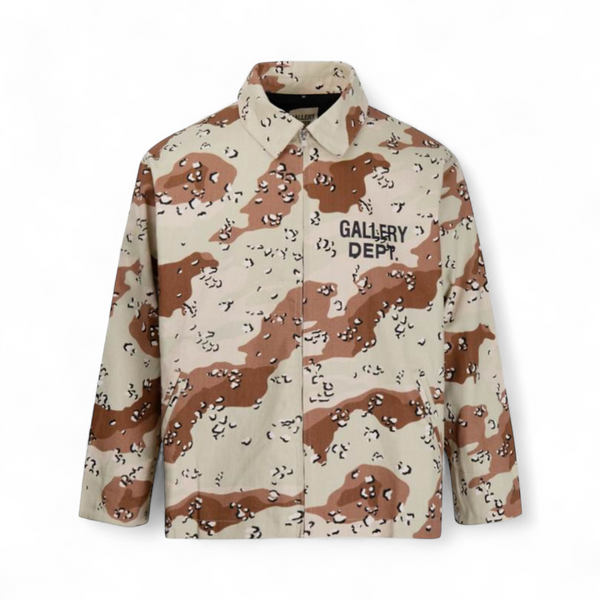
This is often the sweet spot for buyers who already know what they want. A curated store built around Jordan retros, Dunks, Yeezy, Kobe, Off-White, Travis Scott, Supreme, Essentials, and other high-demand categories is usually speaking your language from the start. Instead of digging through random listings, you shop a tighter catalog with culture-aware merchandising and a stronger focus on authenticated inventory.
This route works especially well if you want both access and confidence. A retailer that is already centered on verified hype product tends to make discovery faster, especially when you are shopping across franchises and collaboration lines instead of hunting one SKU at a time. GOAT AVENUE fits this lane for buyers who want authenticated sneakers and streetwear in one place, without bouncing between scattered resale accounts and generic marketplaces.
How to tell if a sneaker seller is actually trustworthy
A real seller does not hide behind vague claims like 100% legit. They show how the process works. If a site or seller cannot explain authentication, condition standards, shipping timelines, and what happens if there is a problem, that is a red flag.
Look closely at product listings. Authentic sneaker sellers usually provide precise naming, correct SKU references, sizing clarity, condition details, and clean imagery. Sloppy titles, mismatched colorways, stock photos only, or suspiciously broad sizing availability on rare pairs can all signal weak sourcing or worse.
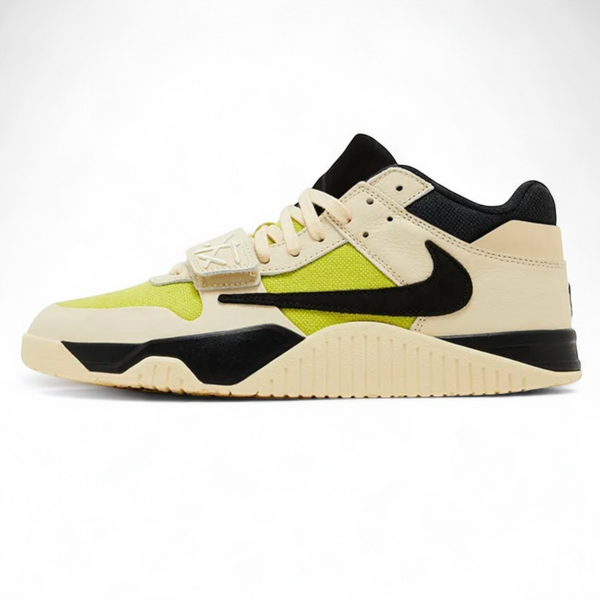
Price is another tell. If a Travis Scott Jordan 1, rare SB Dunk, or limited Yeezy pair is way below market, there is usually a reason. Sometimes it is pre-owned condition. Sometimes it is box damage. Sometimes it is fake. Smart buyers compare pricing across multiple trusted sources so they understand the normal range before checking out.
Payment method matters too. If the seller pushes gift payments, wire transfers, or direct deals outside the platform, leave. Buyer protection exists for a reason. The more a seller wants to bypass it, the less confidence you should have.
Where people get burned
Most bad sneaker buys do not happen because the buyer knows nothing. They happen because the buyer gets impatient. A pair sells out, resale starts climbing, and suddenly a random account with no history looks convincing enough.
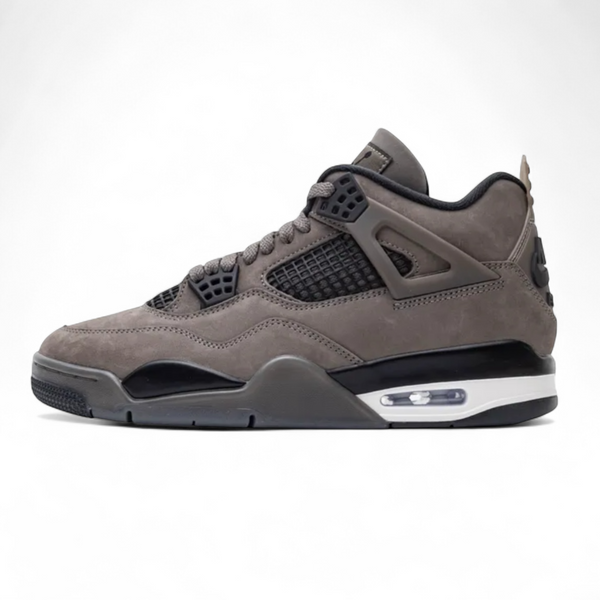
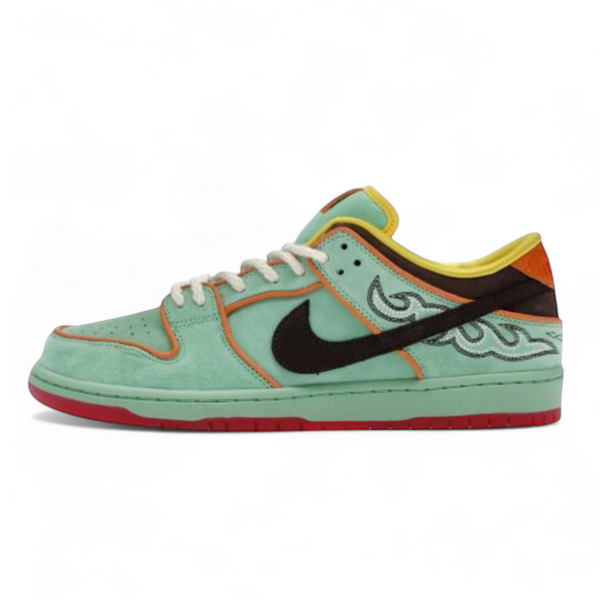
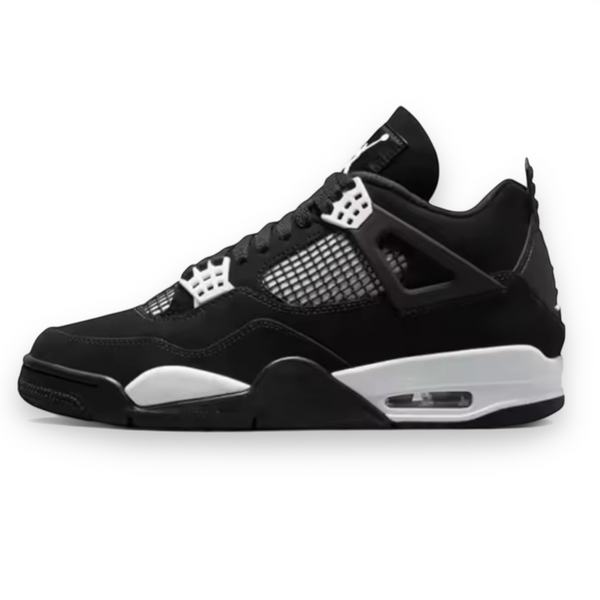
The biggest trap is treating every sold-out pair the same. General-release restocks are one thing. Highly replicated models are another. Certain silhouettes get faked at an extremely high level, especially popular Jordan 1s, Jordan 4s, Dunk Lows, Yeezys, and collab pairs with obvious resale demand. The more replicated the shoe, the more careful your buying process needs to be.
Another mistake is ignoring condition language. New, deadstock, VNDS, pre-owned, tried on, replacement box - these are not minor details. They change the value and the buyer experience. An authentic pair can still be the wrong buy if the listing is misleading or incomplete.
How to shop smarter when buying authentic sneakers
Start with the pair, not the platform. Know the exact model, colorway, SKU, size, and current market range before you shop. That keeps you from being distracted by bad listings or fake urgency.
Next, decide which lane fits your goal. If you are after a recent general release and patience is still possible, check retail and authorized stores first. If the pair is long sold out or tied to a major collab, move straight to trusted resale or curated authenticated retailers. If you are tempted by a social seller because the price looks crazy good, ask yourself whether the savings are worth the risk. Most of the time, they are not.
It also helps to shop with category awareness. Buyers who live in sneaker culture usually search by franchise as much as by shoe - Jordan retros, Kobe, SB Dunk, women’s exclusives, Off-White, Corteiz, Travis Scott. A store organized around those shopping habits saves time and reduces mistakes because you are not filtering through unrelated inventory.
Where to buy authentic sneakers for hype pairs
If your rotation leans toward grails and harder-to-source releases, you need more than a basic checkout page. You need a seller or marketplace that understands the pace and pricing of hype inventory. That means current listings, fast turnover, and authentication standards built for products that get counterfeited heavily.
For hype buyers, the best stores are usually the ones that already live in that ecosystem. They know the difference between a random fashion customer and someone specifically shopping Jordan 4 retros, SB collaborations, Yeezy staples, or premium New Balance colorways. That shows up in the catalog, the product naming, and the overall trust level.
The best buying experience is rarely the one with the absolute lowest number on the screen. It is the one where the pair arrives exactly as expected, authenticated, and without a messy dispute process attached.
Final thought
When you are deciding where to buy authentic sneakers, do not shop like every seller deserves the same trust. They do not. Buy from sources that are clear about authenticity, serious about product quality, and built around the pairs people actually want. In sneakers, confidence is part of the product.